
🧬 Architecture Code—a spatial design doctrine
- Kunal
- Jul 5, 2025
- 2 min read

⚙️ CODE 001: Structure as System, Not Object
Architecture is not an isolated object—it is a node in an ecological, cultural, and informational network. Each structure should function like mycelium:
Sensing: aware of local microclimates and flows
Connecting: linking people, places, and processes
Nourishing: regenerating its site and context over time
🌍 CODE 002: Local Intelligence, Global Resonance
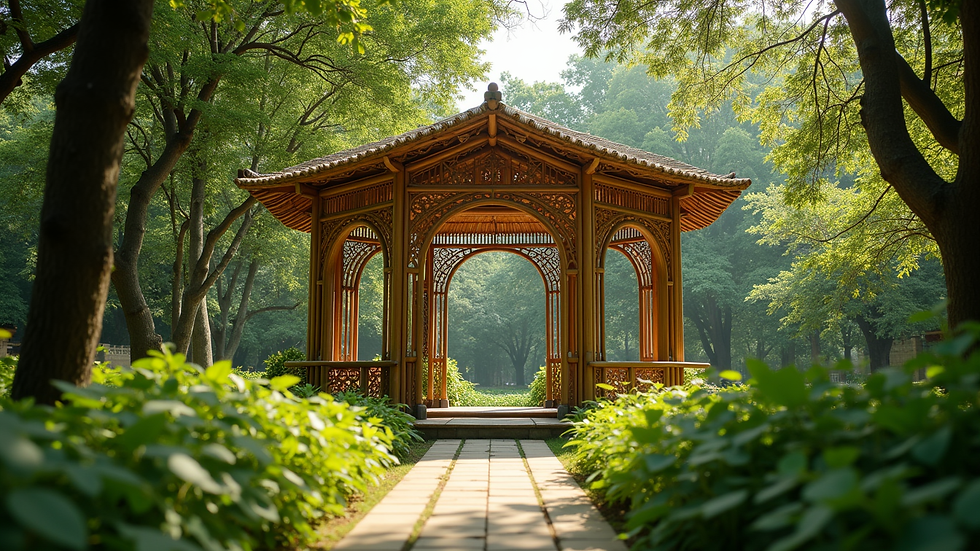
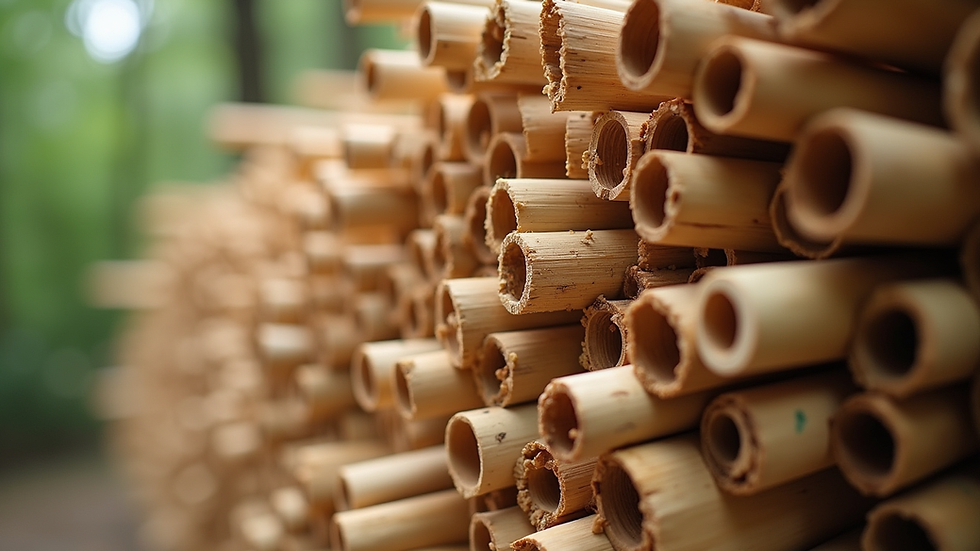
Each architectural expression arises from local soil, stories, and seasons, yet contributes to a shared planetary language of resilience. Build with what’s there—bamboo, earth, waste, wind, light—yet code it to sync with climate data, carbon ledgers, and community inputs globally.
🧠 CODE 003: Spatial Intelligence = Biological + Digital + Ritual
Your design isn’t static—it’s alive, sensing, learning. Architecture must:
Act like a forest: adaptive, layered, productive
Think like software: modular, responsive, open-source
Feel like ceremony: imbued with intention and rhythm
🌀 CODE 004: Every Node is a Seed
A Green Studio is a spatial seed:
It roots in land with regenerative design
It branches into knowledge, food, and craft systems
It spores ideas, methods, and people into new places
Each build becomes a propagator—multiplying green intelligence, not just replicating form.
🔁 CODE 005: Circularity is the Blueprint
Form follows ecology, not ego.
Every material must return safely to the Earth or system
Every layout must respect water, light, wind, and time
Every building must degrade beautifully, or evolve modularly
🔍 CODE 006: Transparency by Design
Architecture must be legible and interactive:
Blueprints can be stories
Walls can be dashboards
Roofs can be harvesters
Windows can be API-fed sensors of the sky
You’re not hiding complexity—you’re inviting understanding.
✨ CODE 007: Build for Consciousness, Not Just Comfort
Design for more than shelter—design for:
Reflection (stillness, mindfulness, soul-repair)
Connection (community, biodiversity, memory)
Activation (learning, making, regenerating)
🔖 Summary:
“Each structure we build is a node in a living global mycelium—not a monument to permanence, but a vessel of life, change, and interconnection.”
🍄 What is Mycelium, Really?
Mycelium is the underground neural network of fungi—a vast, living system that:
Connects trees and plants in forests
Transmits nutrients, water, and warning signals
Adapts to the environment, decentralizing resilience
Regenerates ecosystems from decay
And most importantly: it’s invisible but vital
Just like mycelium:
Interconnect ecosystems of energy, water, soil, carbon, and people
We don’t build for ego or ownership, but for regeneration
We multiply by seeding knowledge, not replicating buildings
We aim to transform decay (waste, pollution, carbon) into growth

Comments