
Eco-Friendly Construction Materials You Should Know: A Guide to Green Building Materials

Building a home or workspace today is about more than just bricks and mortar. It’s about creating a sanctuary that respects the earth, nurtures well-being, and stands the test of time. I’ve always believed that the materials we choose speak volumes about our values. When it comes to green building materials, the options are as inspiring as they are practical. Let’s dive into the world of eco-friendly construction materials and discover how they can transform your building project into a beacon of sustainability.
Embracing Green Building Materials for a Sustainable Future
Green building materials are the heart and soul of sustainable construction. They reduce environmental impact, conserve resources, and often improve indoor air quality. When I first explored these materials, I was amazed at how many natural, renewable, and recycled options are available. From bamboo to recycled steel, the choices are vast and varied.
What makes green building materials truly special is their ability to blend functionality with eco-consciousness. They help reduce waste, lower energy consumption, and often come from sources that replenish themselves naturally. Imagine building with materials that not only support your structure but also support the planet. That’s the magic of green building materials.
What are Eco-Friendly Materials?
Eco-friendly materials are those that have a minimal negative impact on the environment throughout their lifecycle. This includes how they are sourced, manufactured, used, and disposed of. When I think about eco-friendly materials, I picture resources that are renewable, recyclable, or biodegradable. They often require less energy to produce and emit fewer pollutants.
For example, reclaimed wood is a fantastic eco-friendly material. It gives new life to old timber, reducing the need to cut down fresh trees. Similarly, materials like cork and straw bale are renewable and provide excellent insulation, helping to reduce energy bills. Even concrete, traditionally seen as a heavy polluter, can be made greener with recycled aggregates or alternative binders.
The beauty of eco-friendly materials lies in their diversity and adaptability. They can fit into almost any design style or budget, making sustainable building accessible to everyone.
Popular Eco-Friendly Construction Materials You Should Know
Let’s explore some of the most popular and effective eco-friendly construction materials that have caught my attention. Each one offers unique benefits and can be a game-changer for your project.
Bamboo
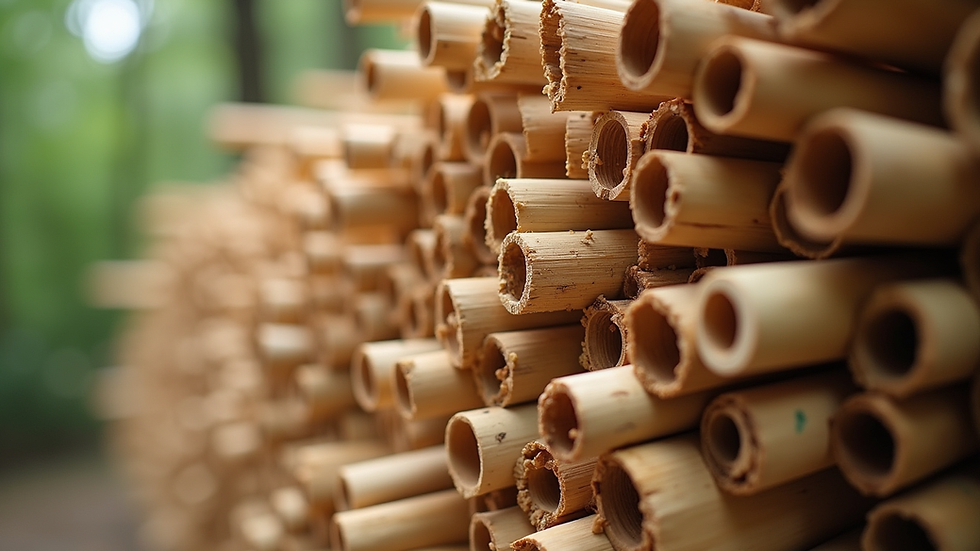
Bamboo grows incredibly fast and is stronger than many hardwoods. It’s perfect for flooring, paneling, and even structural elements. Its rapid renewability means it can be harvested without damaging the ecosystem.
Recycled Steel
Steel is durable and recyclable. Using recycled steel reduces the need for mining and lowers greenhouse gas emissions. It’s ideal for framing and roofing.
Reclaimed Wood
Reclaimed wood adds character and history to any space. It’s sustainable because it repurposes existing materials, reducing deforestation.
Cork
Cork is harvested from the bark of cork oak trees without harming them. It’s a natural insulator and resistant to moisture, making it great for flooring and wall coverings.
Straw Bale
Straw bale construction offers excellent insulation and uses agricultural waste. It’s affordable and has a low environmental footprint.
Rammed Earth
Rammed earth walls are made by compacting soil into forms. This technique creates sturdy, thermally efficient walls with a natural aesthetic.
Low-VOC Paints
Volatile Organic Compounds (VOCs) in traditional paints can harm indoor air quality. Low-VOC or zero-VOC paints are healthier choices that reduce toxic emissions.
Recycled Plastic
Recycled plastic can be transformed into durable building materials like decking, insulation, and tiles, diverting waste from landfills.
How to Choose the Right Materials for Your Project
Choosing the right eco-friendly materials can feel overwhelming, but it doesn’t have to be. Here are some tips I’ve found helpful:
Assess Your Needs - Consider the climate, building type, and budget. Some materials work better in certain environments.
Research Local Options - Using locally sourced materials reduces transportation emissions and supports the local economy.
Check Certifications - Look for certifications like FSC for wood or Cradle to Cradle for other materials to ensure sustainability.
Think Long-Term - Choose materials that are durable and low-maintenance to reduce replacement and repair needs.
Balance Aesthetics and Functionality - Eco-friendly doesn’t mean compromising on style. Many green materials are beautiful and versatile.
If you want a comprehensive overview, I recommend checking out this eco friendly construction materials list for detailed options and suppliers.
The Impact of Using Eco-Friendly Materials on Your Building
Using eco-friendly materials is like planting a seed for a healthier future. The benefits ripple outwards, touching every aspect of your building and life.
Energy Efficiency: Many green materials provide better insulation, reducing heating and cooling costs.
Healthier Living Spaces: Low-toxicity materials improve indoor air quality, which is vital for wellbeing.
Reduced Carbon Footprint: Sustainable sourcing and manufacturing lower greenhouse gas emissions.
Waste Reduction: Recycled and reclaimed materials keep waste out of landfills.
Increased Property Value: Green buildings often attract buyers and tenants who value sustainability.
When I think about these benefits, I feel hopeful. Each choice we make in construction is a step toward a more mindful and sustainable world.
Bringing It All Together: Your Green Building Journey
Embarking on a green building journey is exciting and rewarding. It’s about more than just materials - it’s a mindset. By choosing eco-friendly construction materials, you’re crafting a space that honors the earth and nurtures those who live or work within it.
Remember, every small decision counts. Whether you opt for bamboo flooring, recycled steel framing, or low-VOC paints, you’re contributing to a larger movement of sustainability. And that’s something to celebrate.
So, take a deep breath, imagine your dream space, and start building with the planet in mind. The future is green, and it starts with the materials we choose today.

Comments